A leak, flood, sewer backup, or burst pipe can make a normal day feel like it’s gone upside down pretty quickly. Around Clackamas County, we see water damage come from all kinds of places, including storm runoff, plumbing failures, roof leaks, and appliances that decide to misbehave at the worst possible time. The good news is that fast water damage restoration service can help protect your home, reduce repair costs, and keep the problem from spreading.
We know water damage can feel overwhelming, especially when you’re staring at wet floors and wondering what to do next. Our job is to step in, prevent the damage from getting worse, properly dry the affected areas, and help you understand each step without making the process feel more complicated than it needs to be.
Clackamas County gets plenty of wet weather, and local homes deal with rain, runoff, saturated soil, and occasional storm damage. Add in aging plumbing, appliance leaks, and clogged drains, and water has plenty of ways to get indoors.
Burst pipes can release a lot of water in a short amount of time. A supply line under a sink, behind a toilet, or connected to a washing machine can soak flooring, cabinets, and drywall before anyone notices. Roof leaks often start small, but once water reaches insulation or ceiling materials, the damage can spread quietly.
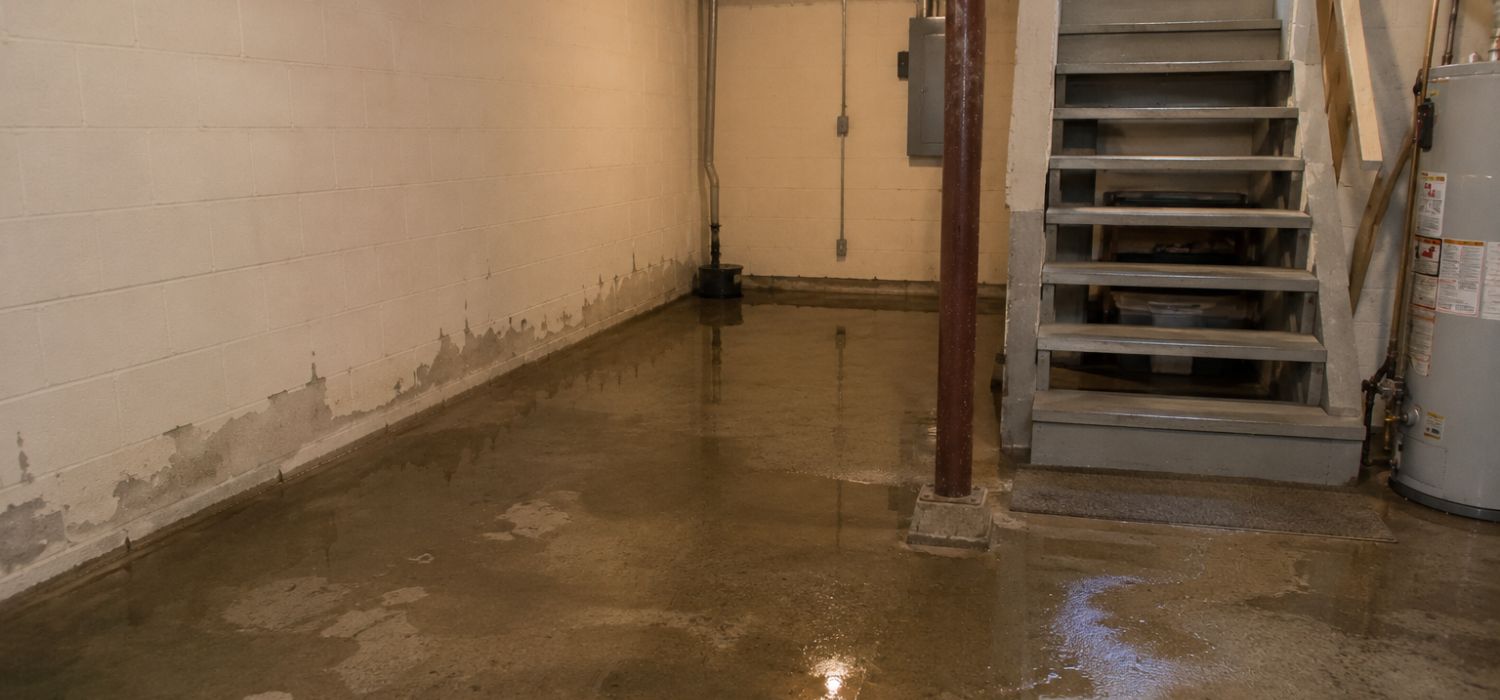
Storm damage creates another layer of concern. Heavy rain can overwhelm gutters, push water toward foundations, or send moisture into crawl spaces and basements. Sewer backups require even more caution because they bring contaminated water into the home and need professional cleanup, sanitizing, and safe removal of affected materials.
Water damage isn’t always obvious at first. Sometimes you see standing water right away, but other times the signs show up slowly. Stains on ceilings or walls often mean moisture has already moved into materials. Peeling paint, bubbling drywall, or soft spots underfoot can also point to hidden water.
A damp or musty smell deserves attention, too. Mold can begin growing within 24– 48 hours after water exposure, especially when moisture gets trapped inside walls, under flooring, or in insulation. That odor may be the first clue that something is happening where you can’t see it.
Warped floors or walls are another big warning sign. Wood flooring can cup, laminate can swell, and drywall can lose strength after absorbing moisture. Once materials start changing shape, water damage repairs usually become more involved, which is why quick action can save money.
Water spreads faster than most people expect. It can move under baseboards, travel through subflooring, and wick up drywall. The longer it sits, the more materials it affects. Fast restoration helps reduce the size of the damaged area, making cleanup and repairs more manageable.
When we arrive, we focus on stopping the spread. Water extraction removes standing water and reduces moisture trapped in flooring and other surfaces. From there, drying equipment helps remove moisture from the air and from building materials.
That early response can help prevent bigger repairs later. Instead of replacing large sections of flooring, walls, or trim, there may be a chance to save more materials when drying starts quickly. Every situation is different, but fast action usually gives homeowners more options.
Water can weaken important parts of a home when it stays in place too long. Subfloors, wall framing, ceiling materials, and foundations can all suffer when moisture remains trapped. What starts as a small leak can turn into a much larger repair if it reaches structural materials.
We use moisture readings to find where the water traveled, not just where it’s visible. That helps us dry the right areas and avoid leaving damp pockets behind. Surface drying alone doesn’t solve the problem if moisture remains inside walls or under flooring.
By properly drying the structure, we help protect the home’s stability and reduce the risk of future problems. That can save homeowners from larger repairs that often cost far more than early mitigation.
Mold is one of the biggest reasons to act quickly after water damage. The Environmental Protection Agency notes that drying wet materials within 24–48 hours can help prevent mold growth. Once mold spreads, cleanup becomes more involved and often more expensive.
Moisture control is the key. We remove water, dry affected materials, and check hidden areas where moisture likes to linger. If insulation, drywall, or other porous materials can’t be dried safely, we remove them before they create bigger issues.
When mold is already present, we handle remediation with containment, safe removal, cleaning, and proper drying before repairs begin. Taking care of the moisture source first matters because mold can return if the area stays damp.
Water damage can affect more than walls and floors. Furniture, rugs, electronics, appliances, cabinetry, and personal items can all suffer when water sits too long. Acting early gives us a better chance to protect what can be saved.
Appliances exposed to water may need to be inspected before use. Cabinets can swell, furniture legs can absorb moisture, and stored items in basements or garages can deteriorate quickly. We help homeowners separate salvageable items from materials that may need to be disposed of for safety reasons.
Fast cleanup also helps protect finishes. Flooring, trim, paint, and cabinetry can sometimes be restored or repaired more easily when water is removed quickly, and drying begins right away.
Water damage claims can feel confusing, especially when you’re already dealing with cleanup. We document the damage with photos, moisture readings, and notes about affected materials. That information can help support conversations with your insurance provider.
Also, standard homeowners insurance typically doesn’t cover flooding. That makes it important to understand what caused the water damage and what your policy may or may not include. We help you gather the details needed to ask the right questions early.
Clear documentation also helps keep the project organized. Everyone can better understand what happened, what work was completed, and what repairs may still be needed.
We respond quickly because water damage doesn’t wait around politely. Our team handles emergency water cleanup, water mitigation, structural drying, sanitizing, mold remediation, and water damage repair for homes and businesses in Clackamas County.
Our process stays straightforward. We inspect the damage, explain what we find, remove water, dry the structure, clean affected areas, and repair as needed. Along the way, we keep communication clear so you’re not left wondering what happens next.
Water damage restoration saves money by limiting the extent of damage, reducing the risk of mold, protecting structural materials, and preserving belongings whenever possible. The sooner drying and cleanup begin, the better chance we have to keep repairs smaller and simpler.
If your Clackamas County home has a leak, a flood, a sewer backup, or a stormwater issue, our water damage restoration team is ready to help. We’ll respond quickly, explain the plan, and work to get your home dry, clean, and safe again.
Yes. Early cleanup and drying can reduce structural damage, lower mold remediation needs, and protect belongings from further damage.
Call as soon as you notice water or damp materials. A fast response helps limit damage and reduces the chance of mold growth.
Water damage restoration includes water removal, drying, cleaning, sanitizing, moisture monitoring, and repairs to affected areas.
404 Beavercreek Rd unit 232
Oregon City OR 97045
Mon - Sun: 24 Hours
Office Hours: Mon - Fri: 9am - 6pm