Got water where it should never be, in your basement, walls, or floors? That situation can escalate quickly, especially in or around Oregon City, OR, where moisture tends to stick around. At Restoration Techs, our experts handle emergency water cleanup for homeowners across the area, and we’ve seen how fast water can weaken materials and create conditions for mold within a day or two.
Taking action early makes a real difference. With the right approach, water damage can be contained, dried, and repaired before it spreads into larger structural issues. In this guide, we’ll discuss water mitigation, drying, mold prevention, and repair in an easy-to-follow way, so you know which options make the most sense for your home.
Water damage in this area often starts with something small, like a slow leak behind a wall, or something more obvious, like a burst pipe or stormwater intrusion. Oregon City sits near the Willamette and Clackamas rivers, and with steady rainfall year-round, homes here face a higher risk of moisture-related issues.
According to the National Oceanic and Atmospheric Administration’s climate data for nearby Portland, the region sees about 44.07 inches of precipitation annually. That kind of moisture accumulates over time, especially when drainage systems, roofing, or grading aren’t properly directing water away from a home.
During our inspections, we look closely at the places water tends to enter or collect. Rooflines, gutters, and downspouts can allow water into attics and wall cavities if they’re not functioning correctly. Poor grading or pooling near the foundation can lead to seepage into basements or crawl spaces. Addressing these entry points helps prevent repeat damage after restoration is complete.
Even when water looks contained in one area, it rarely stays there. Moisture moves through materials faster than most people expect, often traveling under baseboards, behind drywall, and beneath flooring into nearby rooms.
Carpet and padding can trap water against subfloors, keeping everything wet longer than it appears. Drywall absorbs moisture quickly and can soften or break down. Wood flooring may start to cup or buckle as it takes on water, even after the surface seems dry. Insulation in walls or crawl spaces can retain moisture and slow drying, increasing the risk of lingering odors or mold growth.
That’s why we focus on more than just visible water. Tracking how far moisture has spread allows us to build a drying plan that actually solves the problem instead of leaving hidden damp areas behind.
When water damage happens, a few early steps can help limit how far it spreads. If it’s safe, stopping the water source should come first. Shutting off a supply valve or the main water line can prevent additional damage while you wait for help.
Safety always comes into play, especially around electrical systems. If water is near outlets or appliances, it’s best to turn off power from a dry location and avoid stepping into standing water. Taking photos and short videos of the damage can also help with insurance claims later on.
Moving items to dry areas or elevating furniture can protect what’s salvageable. From there, calling in a professional water removal service allows extraction and drying to begin before moisture can penetrate deeper into the structure.
Every water damage situation is different, but most restoration plans follow a similar path. The goal stays the same: remove water, dry the structure, clean affected areas, and restore the home to a safe, livable condition.
The first step is to get the water out as quickly as possible. Fast extraction reduces the amount of moisture that soaks into subfloors, walls, and surrounding materials. We assess the water source early on, since clean water from a supply line requires a different approach than contaminated water from a backup or from flooding.
High-capacity extraction equipment pulls water from floors, carpets, and other surfaces, helping stabilize the situation. At the same time, we identify materials that may need to be removed if they’re holding moisture or pose a health concern.
Once standing water is gone, drying becomes the priority. This step focuses on removing moisture from structural materials such as framing, subfloors, and wall cavities, not just drying the surface.
We use commercial air movers and dehumidifiers to create controlled airflow and reduce humidity levels. Moisture readings guide the process, allowing us to track progress and adjust equipment placement as needed. Wet insulation or materials that can’t dry properly are removed to prevent them from trapping moisture inside the structure.
After drying is underway, cleaning and sanitizing help restore the space to a livable condition. Water damage often leaves behind residue, contaminants, or odors that need to be addressed before repairs begin.
We clean surfaces using Environmental Protection Agency (EPA)-registered products selected for the specific situation and treat odors at their source rather than masking them. In cases involving contaminated water, we take extra care to remove affected materials and fully sanitize the area.
Air scrubbers with high-efficiency particulate air filtration may be used during this phase to help improve indoor air quality while cleanup is in progress. Every step gets documented so you have a clear record for your own reference and for insurance purposes.
Once the structure is dry and clean, repairs bring everything back together. This can range from replacing sections of drywall and trim to rebuilding larger areas affected by water.
We keep the repair process organized so homeowners don’t have to juggle multiple contractors. Flooring, cabinetry, and other finishes are restored using materials suited to the home and local environment. When plumbing or electrical systems are involved, licensed tradespeople handle those portions to ensure everything operates safely.
Moisture that lingers after a water event can lead to mold growth, often within 24–48 hours. The EPA highlights that drying materials quickly and maintaining indoor humidity below 60% play a major role in preventing mold.
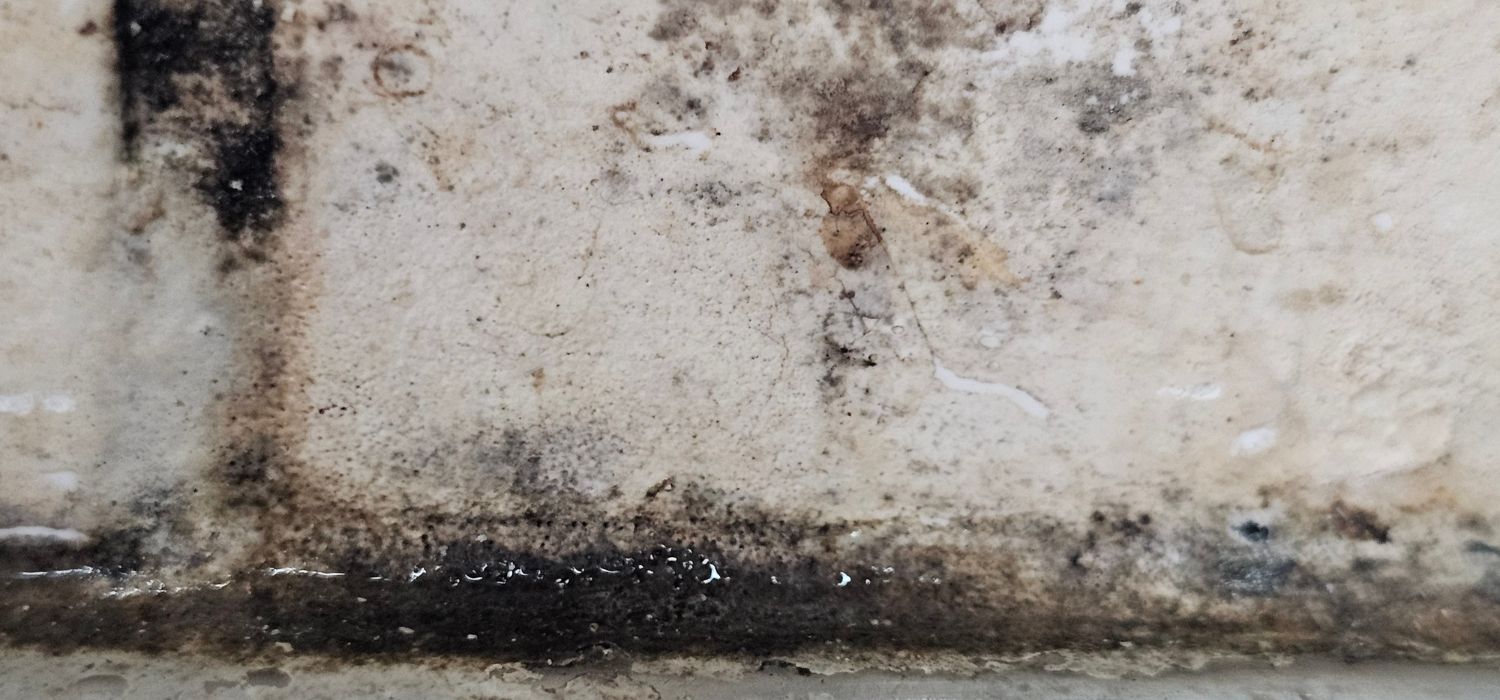
Early signs are often subtle. A musty smell that keeps coming back, discoloration on walls, or uneven flooring can all point to hidden moisture. Wet insulation or damp areas inside walls can accelerate the problem if they’re not addressed.
Prevention focuses on removing moisture completely and eliminating materials that can’t be dried safely. When mold is already present, removal becomes necessary. That process typically involves isolating the affected area, removing compromised materials, thoroughly cleaning surfaces, and confirming the space is dry before repairs begin.
Dealing with water damage can feel overwhelming, especially when there’s uncertainty about what comes next. We focus on making the process easier to navigate by combining fast response with clear communication and consistent follow-through.
Local experience plays a big role in how we approach each project. Homes in this area often face recurring moisture issues, so we look beyond the immediate damage to what may have caused it in the first place. That helps reduce the chances of running into the same issue again later.
Drying is handled with attention to detail, using moisture readings to confirm progress rather than relying on appearance alone. We also guide homeowners through insurance claim documentation, helping ensure they have what they need when working with their provider. The Federal Emergency Management Agency notes that standard homeowners insurance doesn’t typically cover flooding, so understanding coverage early can help avoid surprises.
Water damage in an Oregon City home can move from minor to serious faster than expected, but the right response can keep things under control. Starting with fast extraction, followed by proper drying and thoughtful repairs, gives your home the best chance at a full recovery.
When water shows up where it shouldn’t, reaching out right away helps our water damage restoration service step in early and limit the impact. We handle emergency cleanup, drying, mold prevention, and repairs, all with a clear plan and steady communication from start to finish.
The most effective approach starts with fast water removal, followed by thorough structural drying, cleaning, and repairs. Professional restoration helps ensure moisture is fully addressed.
As soon as possible. Early action limits how far water spreads and reduces the risk of mold and structural damage.
We can document the damage, provide detailed reports, and help you gather the information you need to work with your insurance provider.
Costs vary based on the extent of the damage, the size of the affected area, and the type of work required, including drying, cleanup, and repairs.
404 Beavercreek Rd unit 232
Oregon City OR 97045
Mon - Sun: 24 Hours
Office Hours: Mon - Fri: 9am - 6pm