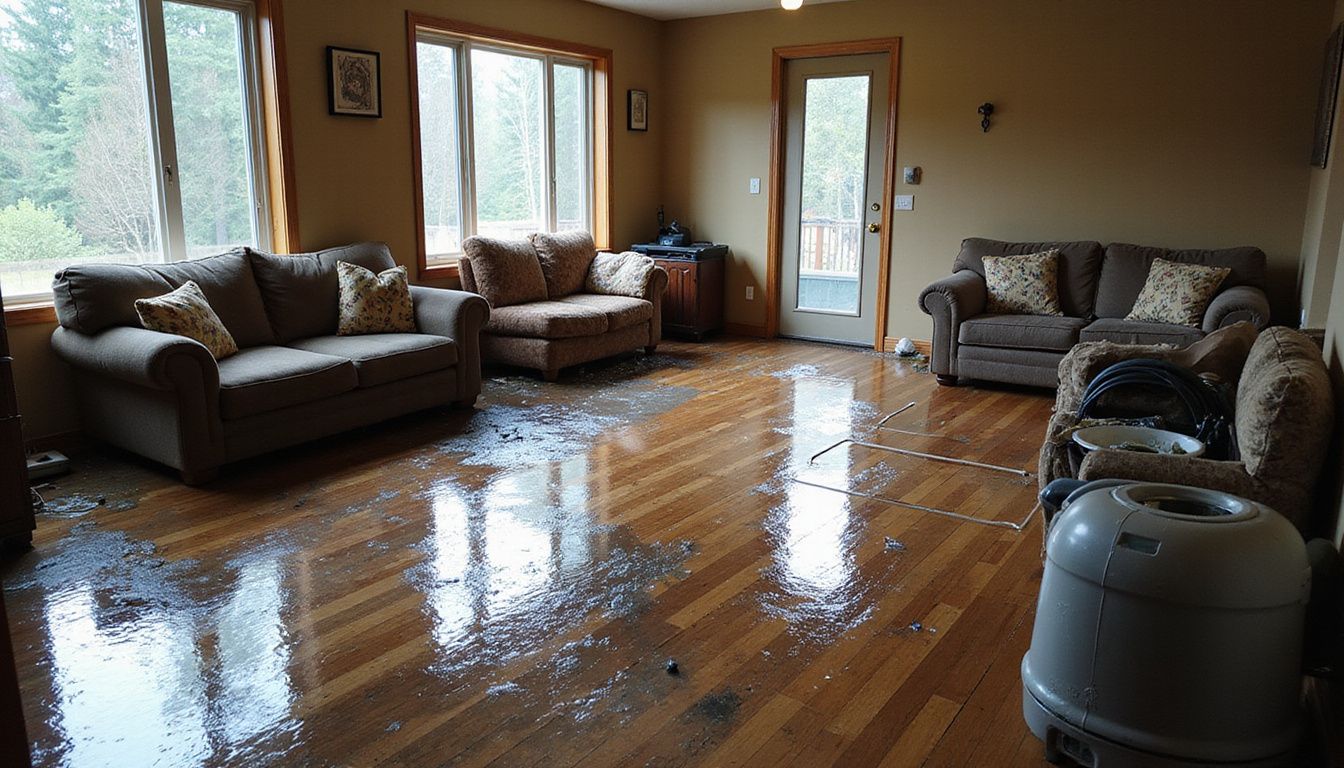
A sudden flood or leak can leave your home wet and unsafe, and that stress hits fast. We have handled these jobs extensively and have seen how quickly mold can take hold—often within 24 to 48 hours, according to leading health organizations.
We also researched proven fixes so you can act with confidence. We explain the differences between water mitigation and water damage restoration. We cover mold remediation after water damage in Oregon and point out the tools that matter, including dehumidifiers, air movers, your HVAC system, and the building materials you should check. Read on to learn what to do next.
Water mitigation helps stop further flooding or water damage in homes and buildings. We use specialized pumps, fans, moisture meters, and dehumidifiers to remove excess water quickly.
We act fast after a flood or major leak. We focus on stopping damage and protecting your property. First, we inspect and assess the scene with moisture meters, thermal imaging cameras, and hygrometers to map wet zones and find hidden saturation. Next, we shut off utilities and make the site safe to limit electric, gas, and structural risks. We then extract standing water with pumps and portable removal units to cut down mold growth and secondary flooding.
After the water is removed, we use air movers and dehumidifiers to dry framing, flooring, and carpets while monitoring humidity with data loggers. We contain the affected areas with plastic sheeting to stop cross-contamination and protect your HVAC system. We also remove damaged porous materials like drywall and insulation when they show mold growth or cannot dry properly, preventing further structural issues.
Water mitigation requires specific tools and techniques to effectively manage water damage. Our approach at Restoration Techs utilizes the latest equipment in the industry. For example, we use high-powered water extractors and vacuums to remove standing water quickly, reducing overall damage. We then place large dehumidifiers in affected areas to extract moisture from the air, lowering humidity levels and drying out spaces efficiently. At the same time, we deploy air movers to create airflow across surfaces, speeding up evaporation to ensure materials dry properly.
To locate hidden moisture, we use moisture meters and infrared cameras, which reveal temperature differences behind walls and under floors. This technology guides us in identifying problem areas before they worsen. For safety and sanitization, we wear personal protective equipment, including gloves, masks, and goggles, when handling hazardous materials. We also use specialized mold remediation kits and commercial-grade disinfection tools to clean surfaces and neutralize existing mold growth.
In flood-prone areas, sump pumps are a crucial part of our emergency service response plan to remove excess water from basements or crawl spaces. Finally, structural drying equipment helps us thoroughly restore both the materials and the air quality within your property. Our dedication to water restoration means that each tool plays a crucial role in delivering effective results for our clients throughout our Oregon service areas—be it after a storm or flood damage event.
Water damage repair involves restoring your property after it suffers from leaks or flooding. We assess the damage, remove affected materials, and replace them with new ones, ensuring your home returns to its original state.
We take water damage repair seriously, and understanding the steps helps us restore your home effectively. We begin by expertly assessing the damage to determine the extent of water exposure and structural harm. Next, we remove standing water quickly using powerful pumps to extract excess water from floors, walls, and furniture. Once the standing water is gone, our team employs high-velocity fans and dehumidifiers to thoroughly dry out the surfaces and the air. We also diligently inspect common areas for signs of mold growth, which can develop within 24 to 48 hours after a flood or leak.
After the area is dry, we use specialized cleaners to sanitize and disinfect all affected spaces, including carpets and furnishings, ensuring a safe environment. From there, our experts efficiently repair damaged structures by addressing issues with drywall, flooring, and insulation to restore your home’s integrity. Once everything is completely dry and safe, we promptly reconnect your electricity, water lines, and HVAC systems.
Materials and structural restoration are vital components of the repair process. We carefully assess the damage to your walls, floors, and ceilings. If drywall or flooring shows signs of severe water damage, our team will replace it. For example, heavily affected carpets may require complete removal, while others can be salvaged with professional cleaning.
We focus on using high-quality materials for all our repairs. This choice enhances your home’s safety and durability while restoring its appearance. Throughout the process, we continue to monitor humidity levels with specialized equipment to prevent future issues like mold growth. Restoration Techs prioritizes a thorough approach to ensure long-lasting results for homes facing water or storm damage challenges across Oregon.
Mold remediation focuses on identifying and removing mold from affected areas. We use specialized tools, like HEPA vacuums and moisture meters, to tackle the problem effectively.
Mold often hides in damp areas of your home. We meticulously check for moisture behind walls, under sinks, and in basements. Surface staining can strongly signal mold growth, and a musty odor often hints that trouble exists nearby.
We use advanced tools like moisture meters to measure humidity levels accurately. Infrared cameras help us find hidden leaks or wet spots behind walls without unnecessary demolition. Recognizing these signs allows us to act quickly and protect your home from further damage related to water intrusion and mold issues.
Identifying and removing mold is crucial for maintaining a healthy environment. We follow highly effective strategies to eliminate mold and prevent its return. We begin with strict moisture control, as keeping areas dry reduces the chance for mold growth. We set up dehumidifiers in damp spaces such as basements or bathrooms. It is also important to inspect for and fix leaks promptly, since water leaks create ideal conditions for mold. Repairing plumbing, roof, or window leaks immediately helps avoid saturation.
Once the area is secured, we thoroughly clean affected surfaces using specialized cleaners that target mold spores on walls and floors. To further protect your indoor air quality, we employ advanced air filtration systems. High-efficiency particulate air filters effectively trap airborne mold spores. We also use antimicrobial treatments when necessary. Applying these products after cleaning inhibits future mold development, providing an added layer of protection against recurrence.
We also ensure proper ventilation in all areas of your home. Good airflow prevents moisture buildup in enclosed spaces like attics and crawlspaces. We recommend storing materials properly by keeping boxes off the ground to deter mildew growth. Conducting regular inspections for signs of mold or water damage should be part of your routine maintenance. By understanding the common causes of water damage, you can take proactive measures to minimize your risk. When facing extensive mold issues, it is always best to consult professionals who have the expertise needed for safe remediation. Implementing these techniques significantly lowers the risk of future infestations, providing you with peace of mind after experiencing water damage.
Water mitigation, water damage repair, and mold remediation each serve distinct but complementary purposes. We protect your home from further harm by implementing rapid and effective water mitigation strategies. From there, repairing the existing damage fully restores your property’s structural integrity. Mold remediation completely eliminates the health risks linked to prolonged moisture exposure and mold growth. Understanding these processes empowers you to make informed decisions that maintain your home’s safety and property value.
404 Beavercreek Rd unit 232
Oregon City OR 97045
Mon - Sun: 24 Hours
Office Hours: Mon - Fri: 9am - 6pm