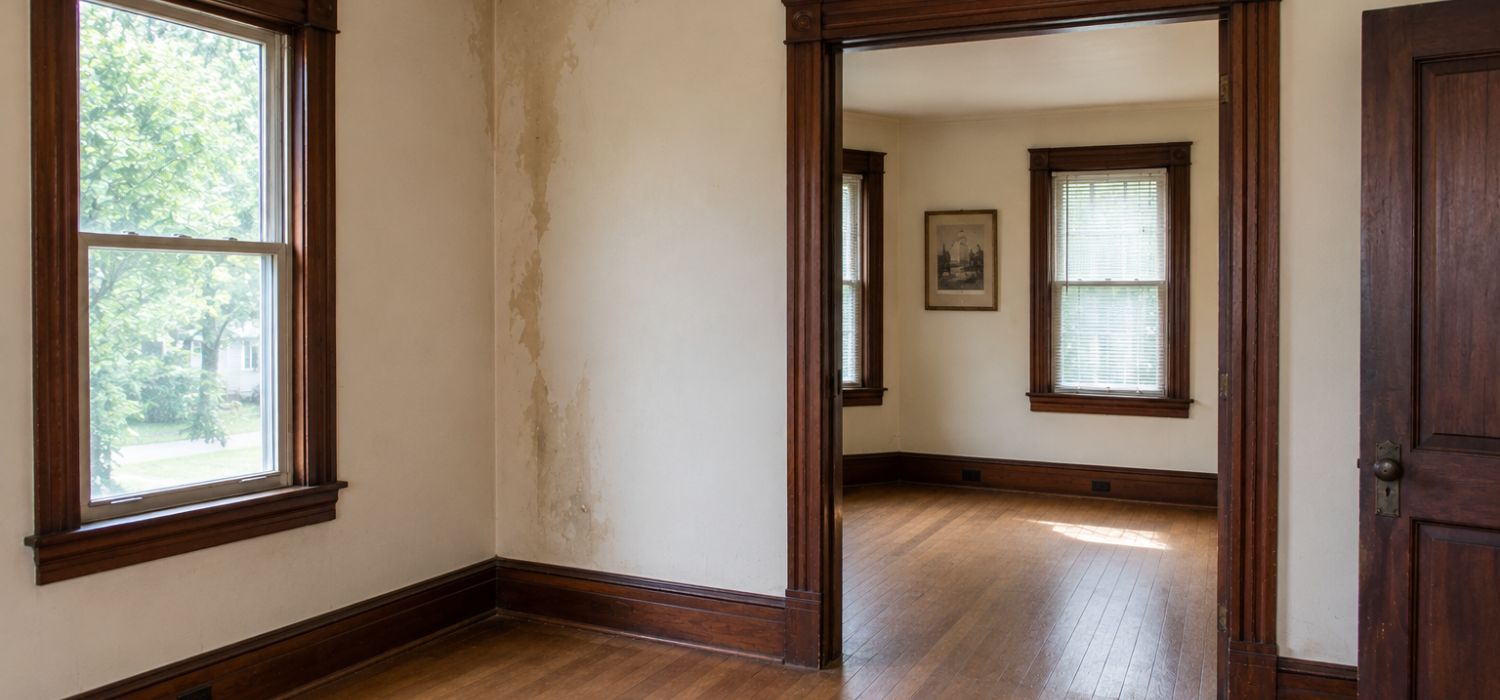
Older homes in Salem, OR, have a kind of charm you just can’t fake. The wood trim, original doors, older plaster, built-ins, and quirky layouts all tell a story. Of course, those same homes can also come with a few surprises behind the walls, especially when water gets involved. A small leak in an aging pipe or a roof issue during a rainy stretch can turn into soggy drywall, damp floors, musty smells, and hidden moisture before you know it.
When water damage shows up in an older home, quick action matters. Mold can begin developing within 24–48 hours after exposure to moisture, according to Environmental Protection Agency (EPA) guidance, so waiting too long can make cleanup and water damage repairs more involved. Our team handles emergency water cleanup, drying, mold remediation, and repairs for older homes in Salem, and we approach each project with care because protecting the home’s structure matters just as much as preserving its character.
Older homes often have systems that have worked hard for decades. Plumbing is one of the first places we look because age, corrosion, and outdated materials can all increase the risk of leaks. Galvanized pipes, older supply lines, and hidden connections behind plaster or under floors can fail slowly or suddenly. Sometimes homeowners notice a stain or soft spot first, while other times a burst pipe makes the problem obvious in a hurry.
Roofing and gutters also cause plenty of water damage headaches. Older roofs may have worn shingles, loose flashing, cracked seals, or soft decking that allows water to enter during storms. Gutters packed with leaves can overflow, sending water down the siding or toward the foundation instead of safely away from the house. In Salem’s wet seasons, that can add up quickly.
Foundation drainage causes another common issue. If soil slopes toward the home, downspouts drain too close to the foundation, or older drainage systems no longer work well, water can collect where it shouldn’t. Basements, crawl spaces, and lower-level walls often show the first signs through damp smells, staining, peeling paint, or moisture along the floor line.
Restoring water damage in an older home takes a thoughtful approach. We don’t want to tear out original details unnecessarily, but we also can’t leave hidden moisture behind and hope for the best. That balance matters.
Historic trim, wood floors, plaster walls, and original windows deserve careful handling. Whenever possible, we look for ways to dry, clean, and repair materials rather than rushing to remove them. When something can’t be saved safely, we explain why and help plan repairs that fit the home.
Older homes can also hide damage in tricky places. Moisture may travel behind plaster, under hardwood, into crawl spaces, or around old framing. That’s why we use moisture readings to understand where water moved, not just where it looks wet. Surface-level drying doesn’t solve the problem if damp materials remain inside wall cavities or beneath flooring.
Mold loves damp, quiet spaces, which makes older homes especially vulnerable after water damage. Crawl spaces, wall cavities, attics, basements, and areas behind old finishes can hold moisture longer than expected. Once mold begins spreading, cleanup becomes more detailed.
We start by identifying the moisture source because mold removal won’t last if the area stays damp. From there, we isolate affected areas as needed, remove unsalvageable materials, clean surfaces, and thoroughly dry the space before repairs continue.
Water damage doesn’t always announce itself with a big puddle. Sometimes the signs are small at first, then grow over time. A faint musty smell, a stain on the ceiling, or a slightly warped floorboard can all point to a moisture problem.
A few warning signs worth watching include the following:
When these signs show up, it’s smart to act early. The longer moisture sits, the more likely it is to affect nearby materials and lead to mold issues.
We start with a detailed inspection. That means checking for visible damage, tracing the likely source, and using moisture-detection tools to find hidden damp areas. In older homes, we pay close attention to basements, crawl spaces, wall cavities, ceiling areas, plumbing lines, and drainage paths.
After the inspection, water removal begins. If standing water is present, we extract it quickly to reduce the amount of moisture that soaks into flooring, framing, and finishes. Once the visible water is gone, drying equipment helps pull moisture from the air and affected materials. Air movers and dehumidifiers work together to create a controlled drying environment, and we monitor readings throughout the process.
Cleaning and sanitizing come next. Water damage can leave behind dirt, bacteria, odors, or other contaminants, depending on the source. A clean supply-line leak is very different from a sewer backup, so we adjust the cleanup plan based on what happened. We clean affected surfaces, remove debris, address odors at the source, and handle mold concerns if growth is present.
Once the home is dry and clean, repairs can begin. That may include replacing damaged drywall, repairing trim, restoring flooring, updating affected insulation, or rebuilding sections of the home. When plumbing, electrical, or mechanical work is involved, licensed trades handle those portions so the finished repair is safe and reliable.
A little maintenance can go a long way, especially with an older property. Regular checks help catch small issues before they turn into bigger restoration projects.
We recommend watching plumbing, roofing, gutters, drainage, and humidity levels throughout the year. Clear gutters before heavy rain, extend downspouts away from the foundation, check under sinks for slow leaks, and look at basement or crawl space areas after storms. If a sump pump protects part of your home, test it before the rainy season to ensure it’s ready.
Good drainage makes a big difference, too. Soil should slope away from the foundation, and water should move away from the home rather than pooling beside it. If water keeps showing up in the same area, that’s a sign the drainage path needs attention.
Older homes need restoration work that respects both the structure and the story behind it. Our team brings water extraction, structural drying, mold remediation, cleaning, and reconstruction together into a single plan, which helps keep the process simpler for homeowners.
We explain what we find, document the damage, and walk you through each step without making the whole thing feel more confusing than it already is. Water damage is stressful enough. You deserve clear answers, steady communication, and a crew that treats your home with care.
Water damage in an older Salem home can spread quickly, but the right response helps protect the structure, reduce the risk of mold, and preserve the details that make the home special. Fast extraction, careful drying, thorough cleaning, and thoughtful repairs work together to restore the space to a safe condition.
If you notice leaks, damp smells, stained walls, warped floors, or moisture in your basement or crawl space, our water damage restoration service team is ready to help. We’ll inspect the damage, explain the next steps, and develop a restoration plan tailored to your home.
Often, yes. We assess materials carefully and try to preserve original trim, flooring, plaster, and other details when they can be dried and restored safely.
Small projects may take a few days, while larger jobs involving mold, structural repairs, or reconstruction can take longer.
Common causes include aging plumbing, roof leaks, clogged gutters, poor foundation drainage, sewer backups, and stormwater intrusion.
Coverage depends on the cause and your policy. Sudden leaks may be covered, while long-term neglect or flooding may require different coverage.
404 Beavercreek Rd unit 232
Oregon City OR 97045
Mon - Sun: 24 Hours
Office Hours: Mon - Fri: 9am - 6pm